Italian sculptor
Every tree exists with its own significance—from the forest to sculptures, from timber to furniture… Perhaps the most touching aspect is that nature’s memories never fade amid the passage of time; they merely transform into another tangible form of beauty, accompanying people as they breathe and grow together. In the eyes of Italian sculptor Mario Ceroli, humanity’s artistic processing of wood is not just a process of self-expression, but a dialogue between different lives—recording the annotations of time through a resonance that runs deep into the soul.


△Mario Ceroli
Born in 1938 in Italy’s Abruzzo region, Mario Ceroli earned a degree in sculpture from Rome’s Accademia di Belle Arti. His foray into art education was a pure coincidence, yet this unplanned decision completely altered the course of his life and left a transformative impact on the development of Italian sculptural art. Studying art, in essence, is a cycle of constantly enriching oneself and then emptying oneself again—much like tree rings, which wrap around a tree’s soul, outlining the shape of time through layers of material contours. After completing his studies, Ceroli began his career with ceramic sculptures, but this endeavor took a dramatic turn shortly after he met artists like Giotto (note: likely a reference error, as Giotto di Bondone was a 14th-century artist; perhaps a contemporary figure was intended). Elements of Pop Art, classicism, and the New Renaissance expanded his creative horizons and fundamentally shifted his artistic philosophy.

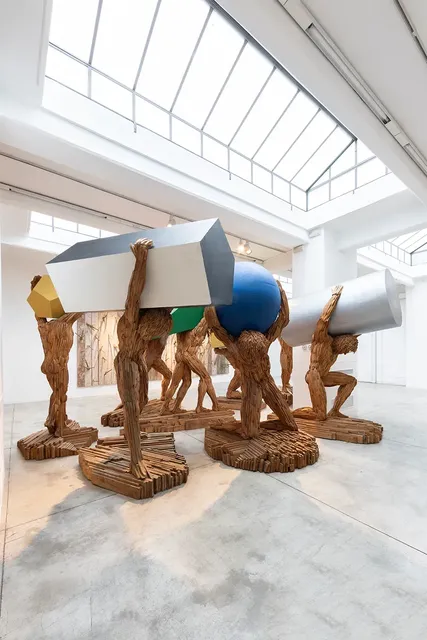
New sculptural language
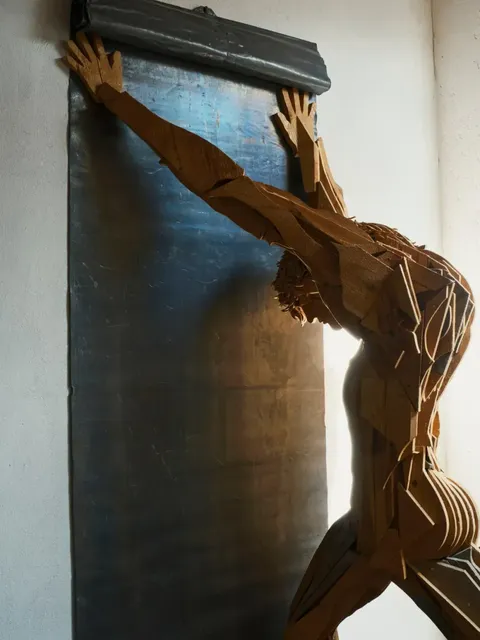
With the rise of the Arte Povera movement in Italy, non-traditional materials such as pulp, scrap metal, soil, and wood became new mediums for radical artists—including Ceroli—to resist the commercial art system and explore artistic possibilities. To this end, Ceroli purchased a batch of reclaimed Russian pine planks, once used to line train carriages. He integrated the process of a tree’s sprouting and growth into his creative philosophy, defining an entirely new sculptural language.
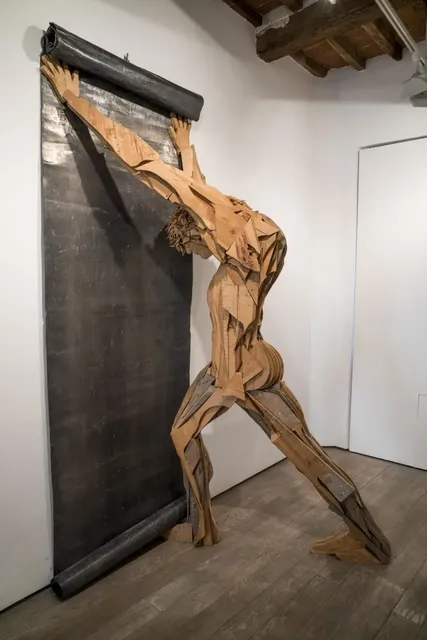
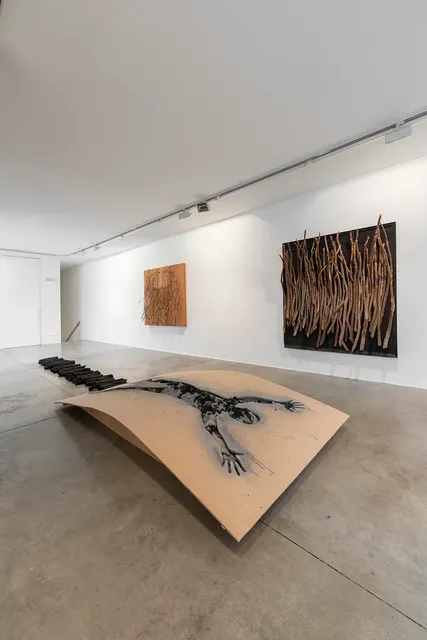
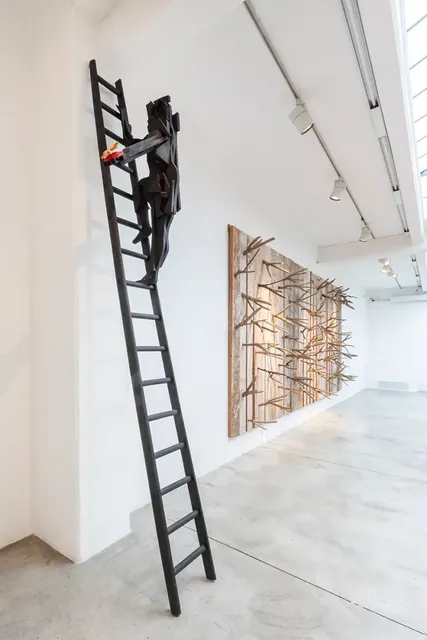
Natural wood art
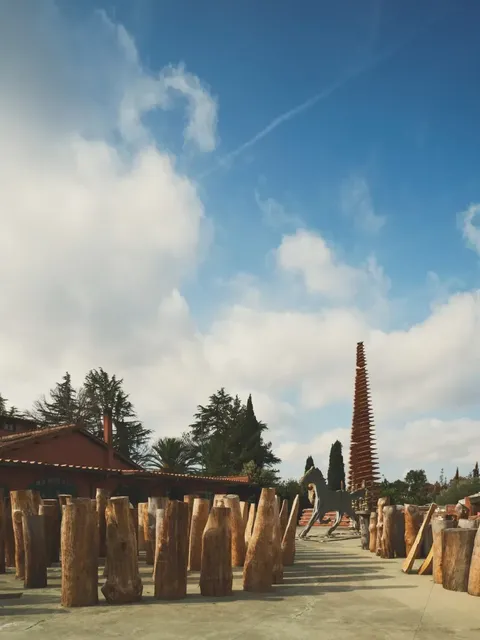
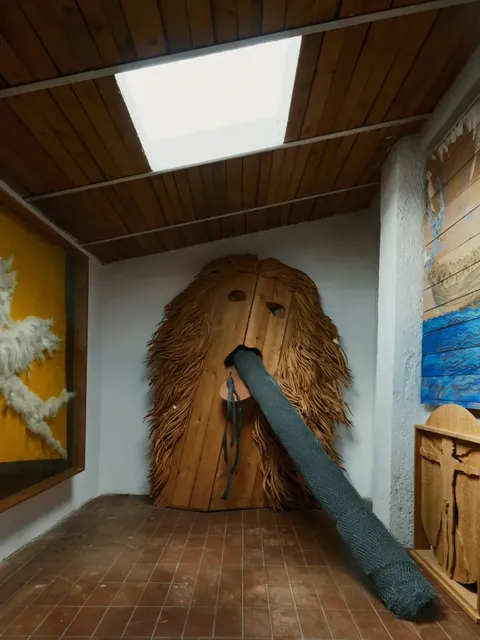
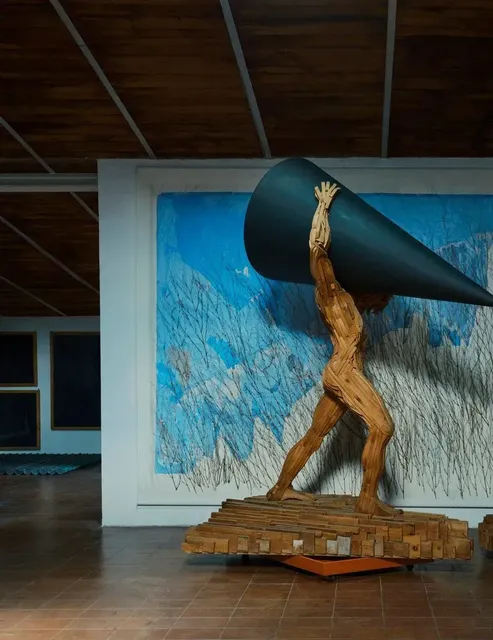
In this naturally evolving beauty, Ceroli saw parallels between wood, life, and the self. From another perspective, the shadow of a person or object is also part of its essence. Building on this, he transformed human forms into silhouettes on wooden planks, using layering and stacking techniques instead of the traditional method of chiseling away at wood. From a structuralist perspective, he endowed his works with a spiritual essence. If an artist’s works hold their reflections on the universe and the self, then Ceroli’s studio and residence in Rome’s Pisana district are his life’s autobiography. This 3,000-square-meter wooden “forest” displays over 500 works created by Ceroli at different stages of his career. Each morning, he moves a chair to sit before these silent companions, reflecting on the path he has traveled over decades.
Formless spirit of freedom
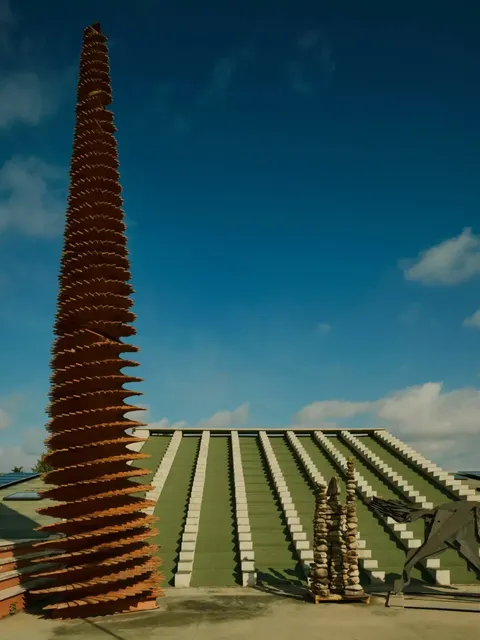
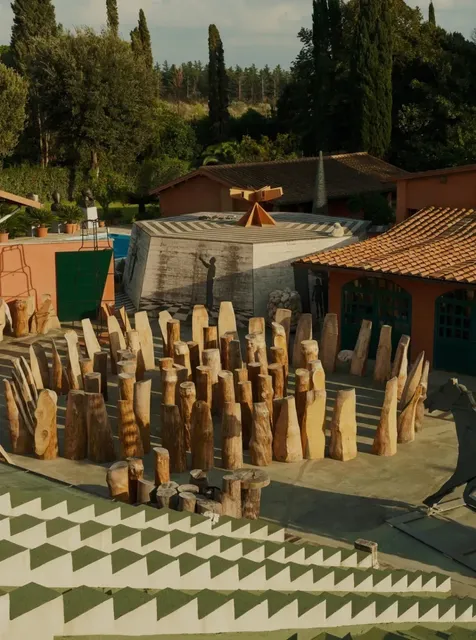
This legendary, sprawling space is a manor Ceroli purchased in the 1960s. Its historic masonry buildings fulfilled nearly all his needs—spacious, open, and adaptable. Coincidentally, while clearing the garden, he discovered a section of red cedar wood over a thousand years old, providing him with invaluable material for his woodcarvings. Entering the garden from the fields on one side of the manor, visitors are greeted not by trees, but by seemingly natural sculptures. Ceroli made full use of the undulating terrain, using stepped artificial platforms to provide a geometric backdrop for his works Albero della vita (Tree of Life) and a horse-shaped woodcarving. In the open space in front of the steps, the large installation Malalingua creates a profound play of light and shadow through an array of wooden pillars, embodying an irregular, formless spirit of freedom.
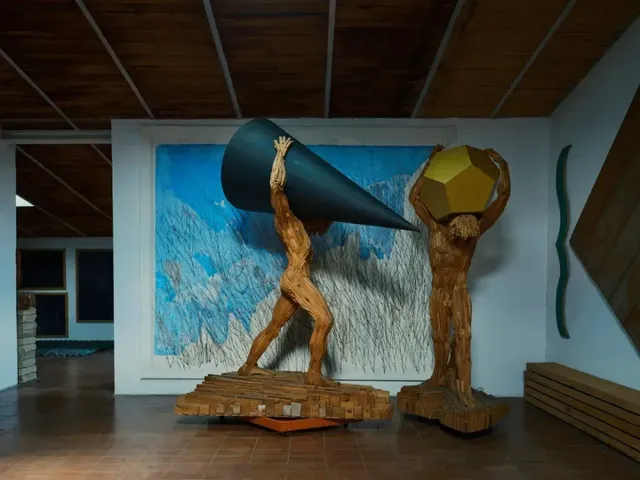
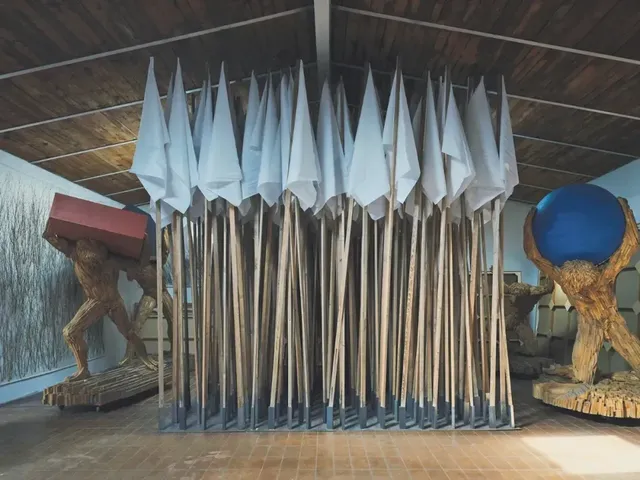
Space for displaying sculptures
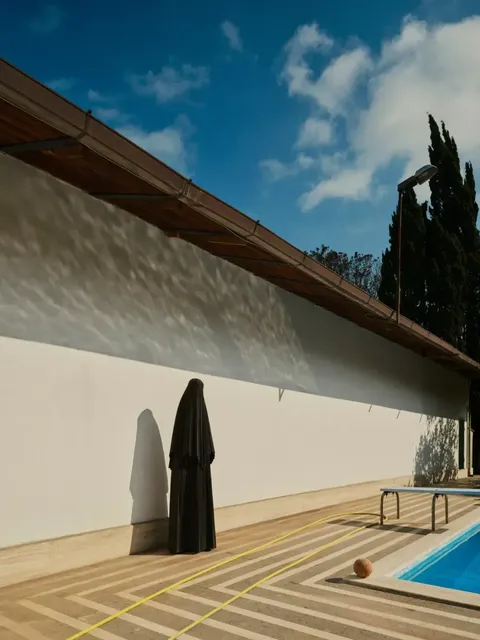
Inside the residence, the line between artistic work and daily life blurs. Almost every detail—from the dining table, chairs, and fireplace to the lamps and decorations—was crafted by Ceroli himself. As renovation work progressed, he continuously engaged in dialogue with works he had created years earlier, gaining a deeper understanding of wood’s vitality through tactile experience and perception. Here, wood exudes the fragrance of natural resin; there are no termites or mold, only a faint layer of silent dust. As his creations and collection grew, Ceroli later built an adjacent space specifically for displaying sculptures, which also hosts short-term retrospectives and artist gatherings. Today, still dedicated to his art, Ceroli opens the garden to disabled children for learning and welcomes more students, allowing his artistic dream to become a spiritual force woven into daily life.
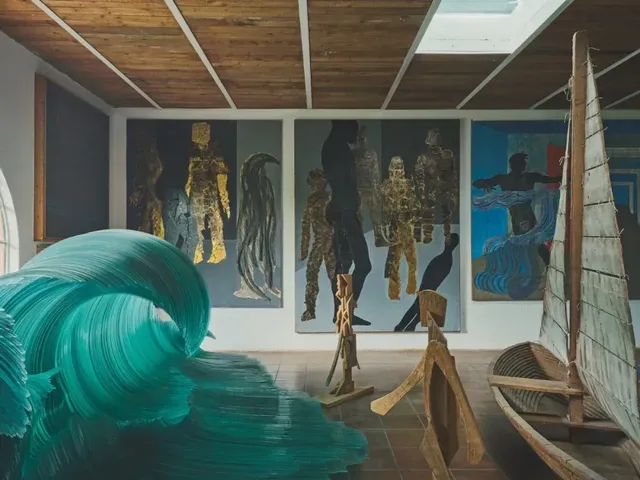
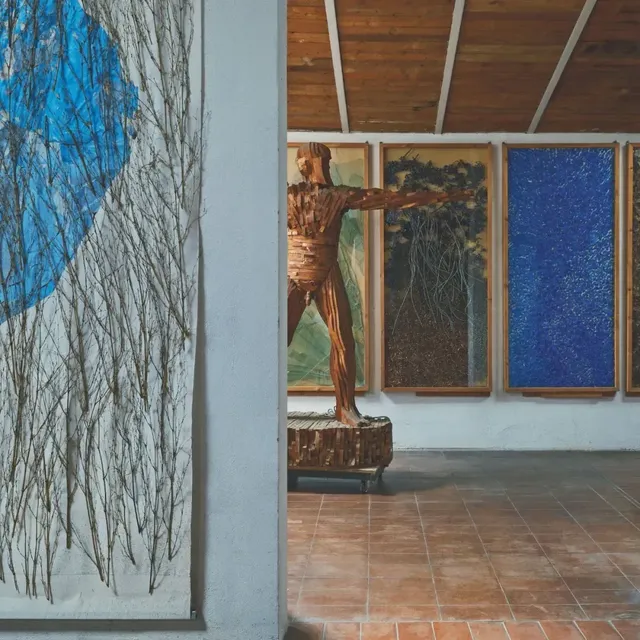
Artistic woodcarvings
A tree itself is a microcosm of nature. It can bear the marks of long time while maintaining an upward, growing force—a contradictory duality that deeply moved Ceroli. Beyond artistic woodcarvings, he also poured his creativity into furniture design, using his signature silhouette-carving techniques and imaginative forms to endow everyday furniture with a lively appearance, fostering a life closely intertwined with art.

pinart
Statue Industry Content Writer
More Articles

Bernar Venet: Sculpture as Another Language of Painting
In a 1963 New York art exhibition, coal blocks transported and piled by French artist Bernar Venet caused a sensation…
PinArt | Sculpture, a Witness to Time
As a witness to human civilization, sculpture boasts a long and profound history. It is not merely an art form…
Confluence and Reflection: 2025 China-U.S. Sculpture Exchange Exhibition
This cultural exchange exhibition brings 28 distinguished sculptors from China, using three-dimensional art as a dialogue between East and West.…
Let's find your exclusive statue solution!
Get a Free Quote Now!