In a 1963 New York art exhibition, coal blocks transported and piled by French artist Bernar Venet caused a sensation in the art world, introducing the concept of formless sculpture to the public. This transformative work not only tapped the artistic potential of industrial materials but also gave the young artist—who relied on welfare—a chance to carve his own path. Venet has long worn multiple hats: he is known as a conceptual artist and sculptor, but also a painter, performance artist, and photographer. To him, identity and fame are mere empty adornments; his lifelong pursuit has been to break and bridge the boundaries of art.
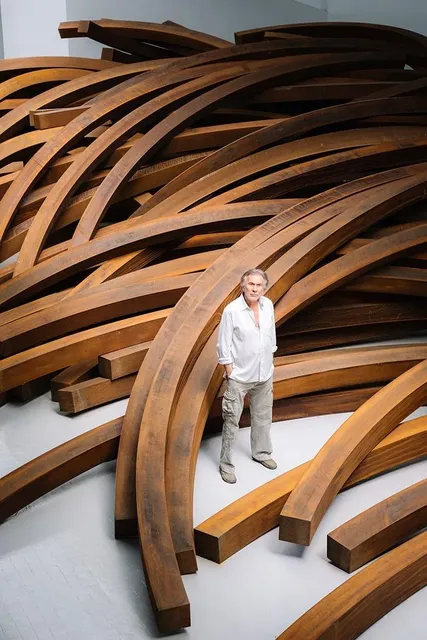
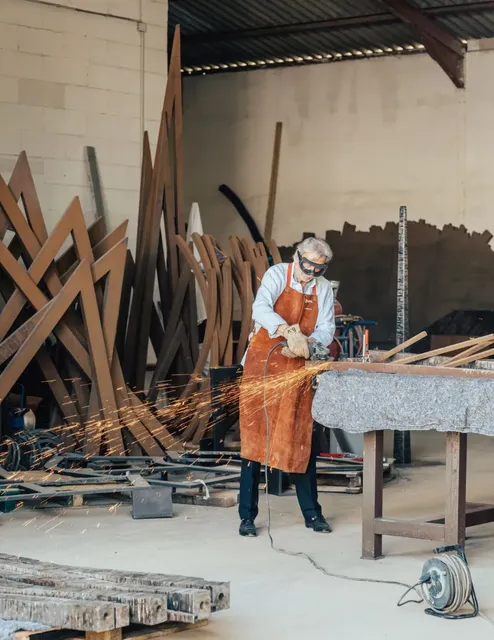
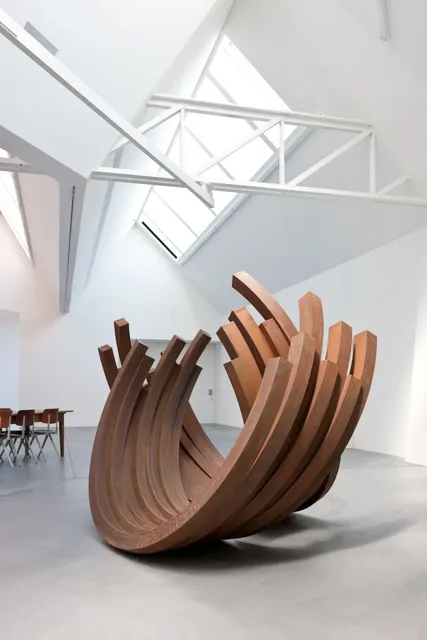
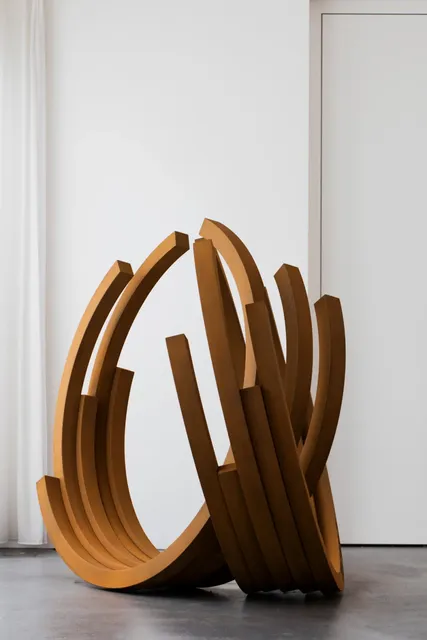
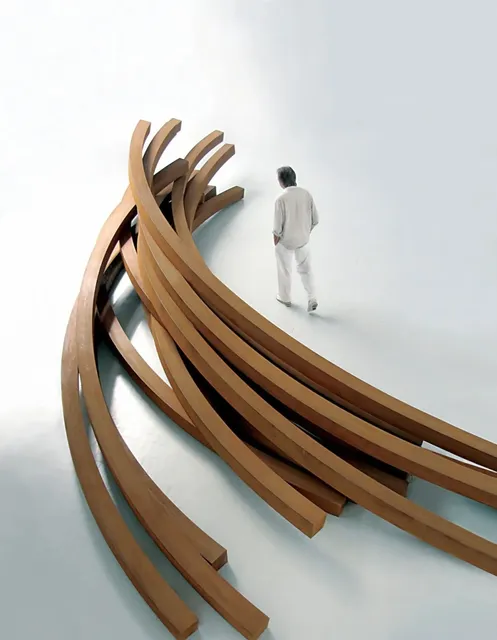
△Bernar Venet: Humble Beginnings and Artistic Awakening
Poverty and a lack of formal art education defined Venet’s upbringing. Born in 1941, he was frail from a young age and turned to painting to express himself early on. Yet it was not until he stumbled upon a book about French Impressionist Pierre-Auguste Renoir in a bookstore that he first grasped the concept of “art.” For a penniless young man, hardship seemed to fuel boundless creativity. In the 1960s, while serving in the military, Venet used whatever materials he could find—coal, tar, even “trash”—for performance art and paintings. Though exploring personal and social struggles was common among his peers, Venet’s uniqueness lay in infusing these cold, somber industrial materials with confrontational yet positive energy, challenging stereotypes to spawn an anti-subjective art form.
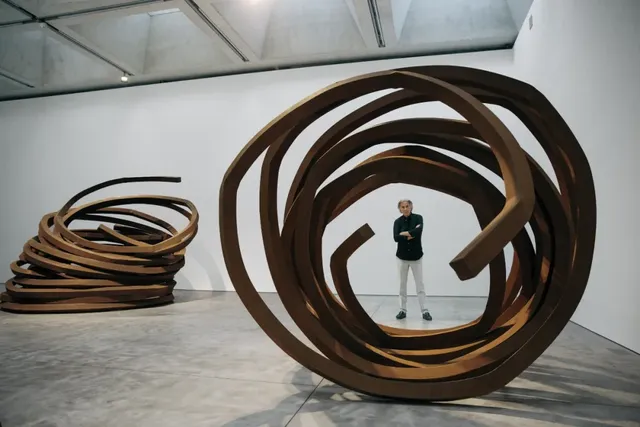
Mathematical Precision and a Radical Artistic Philosophy
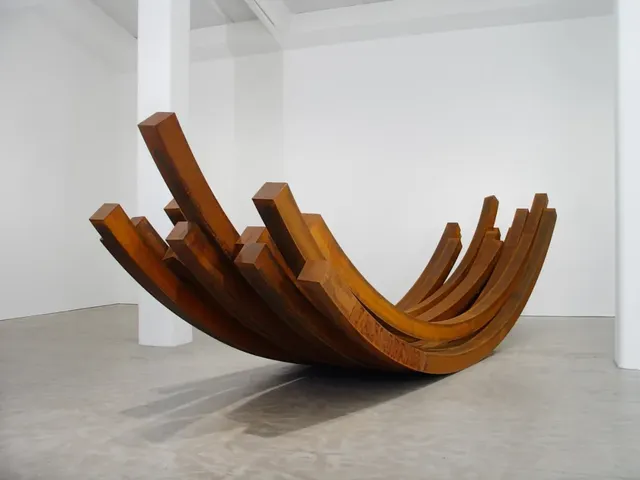
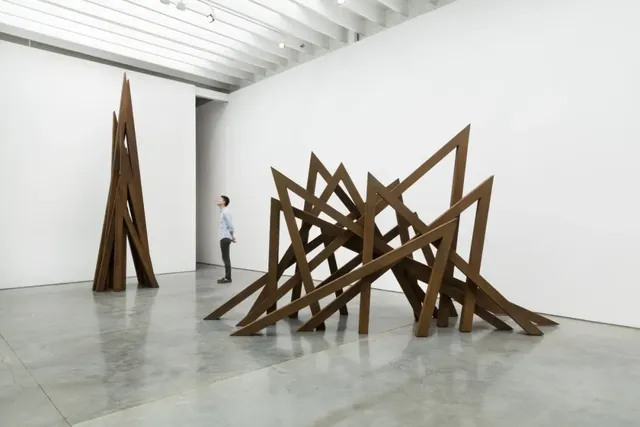
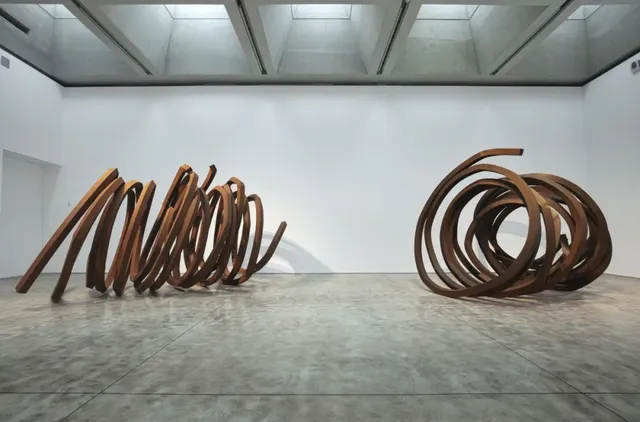
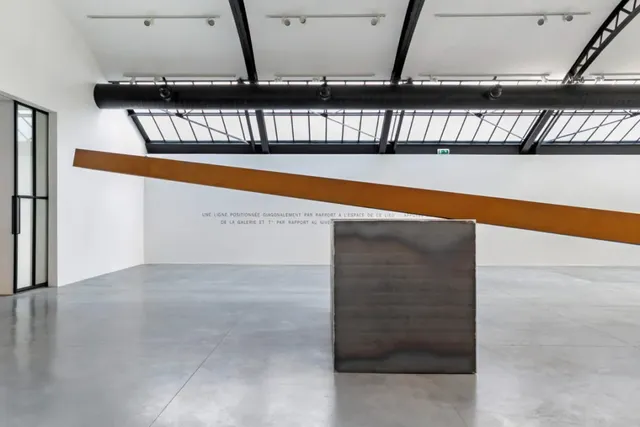
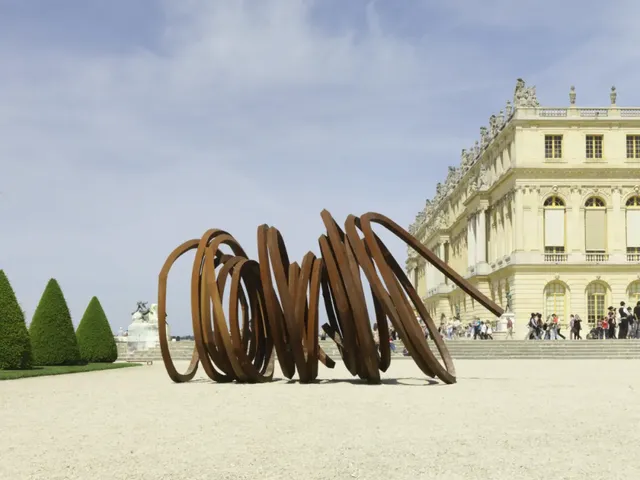
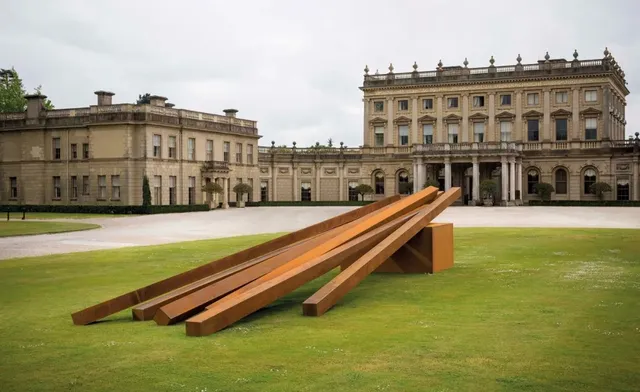
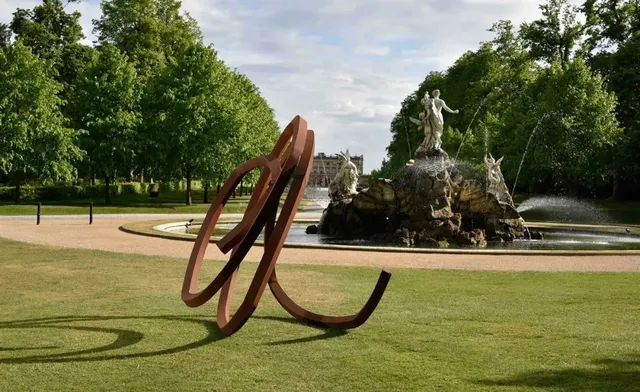
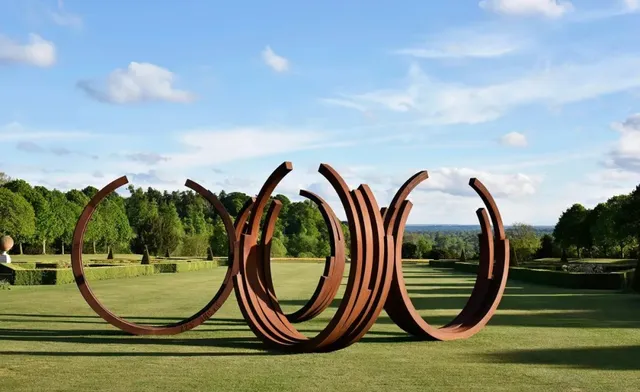
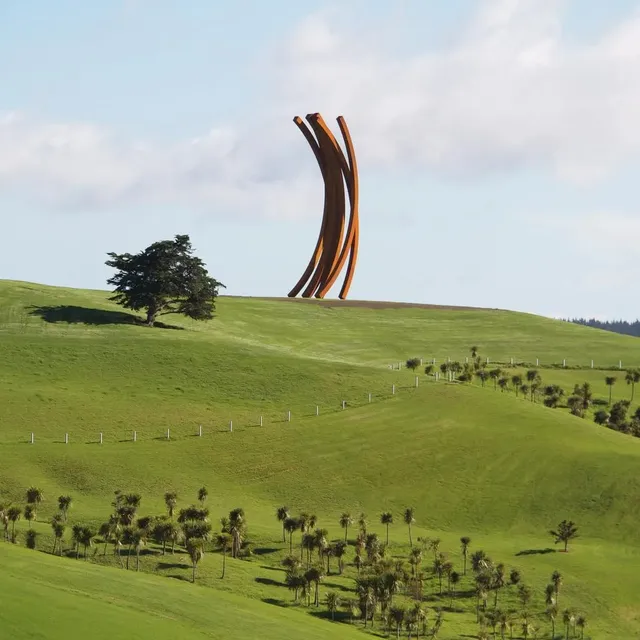
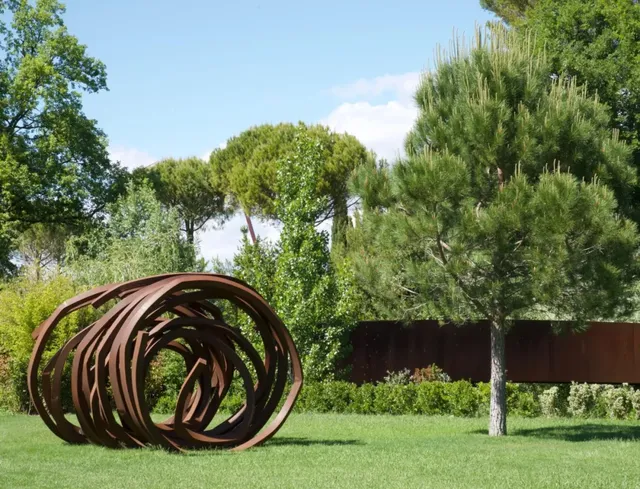
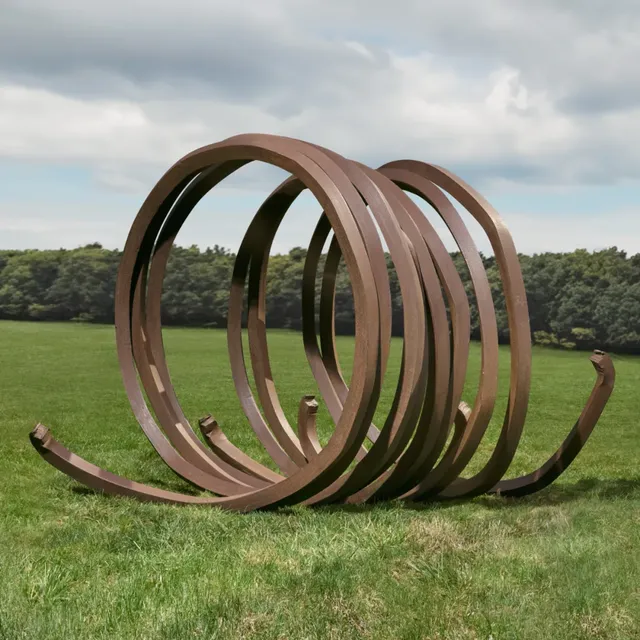
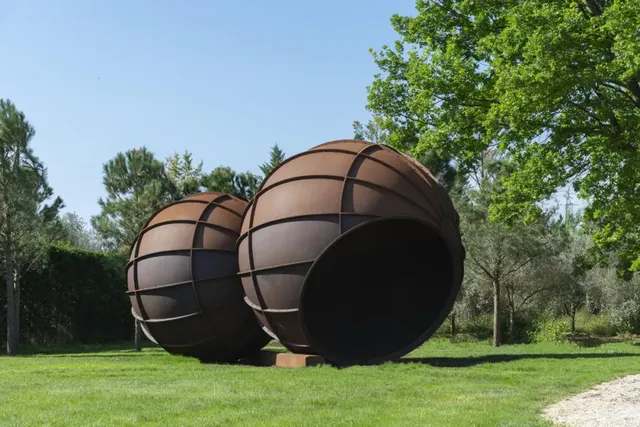
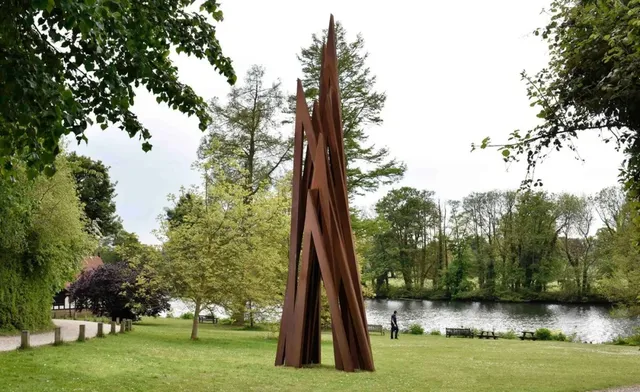
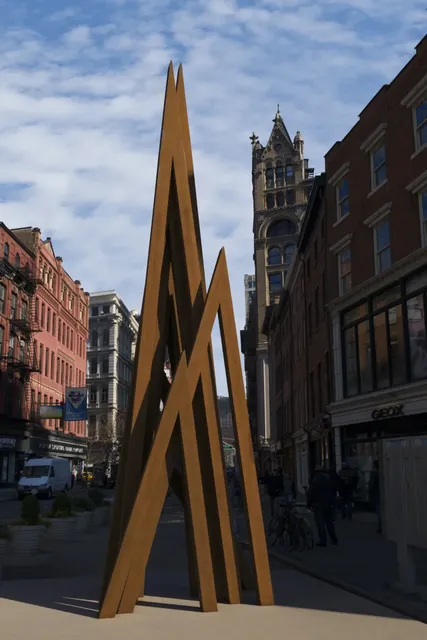
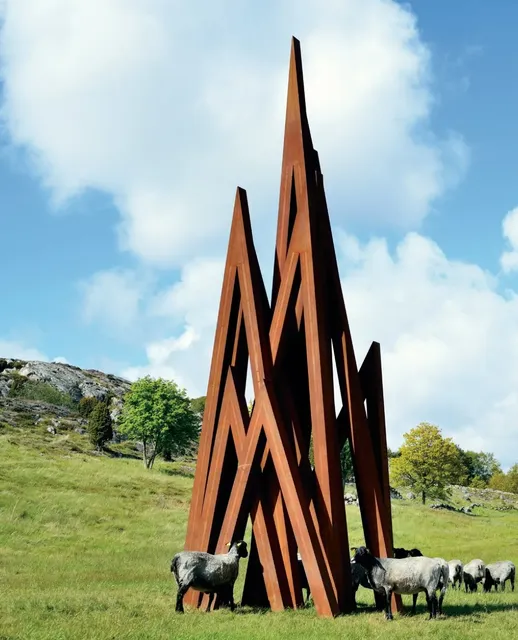
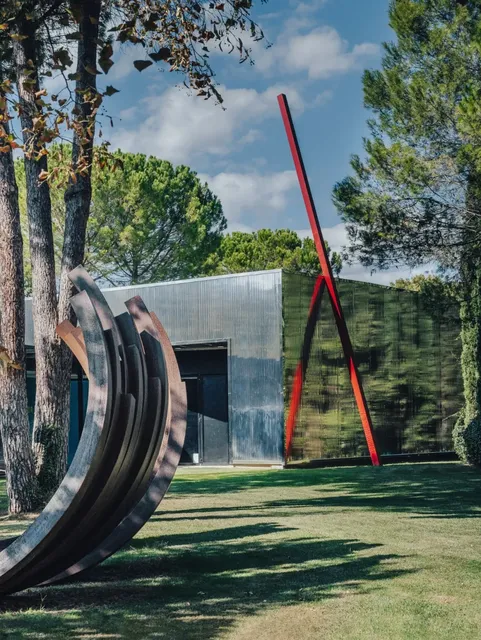
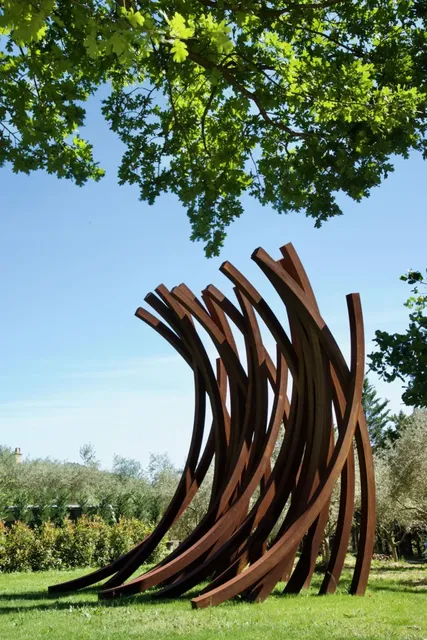
After moving to New York in 1966, Venet studied mathematics and physics at Columbia University, incorporating straight lines, arcs, and angles into his work. He believed non-artistic technical methods were key to advancing art, thus employing mathematical principles, geometric lines, and emerging digital technologies to articulate his radical theory: “Art has no styles, only differences in medium.” Undeniably, his weathering steel geometric sculptures became his signature. These large, pedestal-free pieces exude an anti-gravitational, liberated look; moreover, transforming industrial processes like milling, welding, and flame cutting into artistic techniques was revolutionary at the time. The sculptor never sought to use their structures to metaphorize profound philosophy, focusing instead on the material itself, letting the work’s essence shine through the singularity of its artistic expression.
Blurring Boundaries: From Sculpture to Painting and Performance
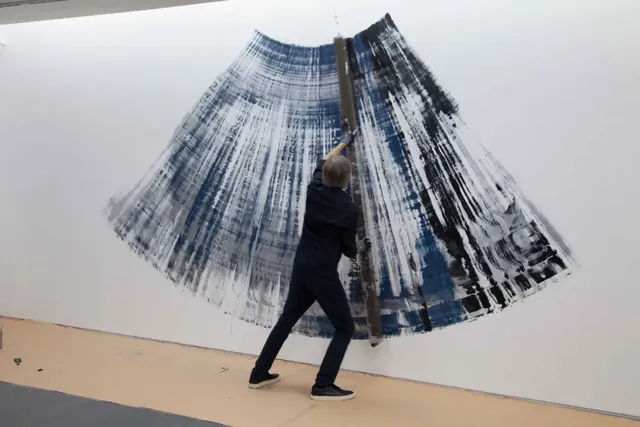
Though famous for sculpture, Venet’s reach extends far beyond it. Beyond his early black tar paintings, he embraced sculpture as another language of painting. When he returned to painting in the late 1970s, he created works centered on simple geometric shapes, gaining a deeper understanding of the black-and-white relationship between background and subject. For Venet, no strict lines divide performance art, painting, and sculpture. In his exhibition Interrelations: Performance/Sculpture/Painting at de Sarthe Gallery, he used steel rods coated in watercolor as brushes, performing a painting process with sculptural elements, fusing the three art forms seamlessly.

From Galleries to Public Spaces: Scaling New Heights
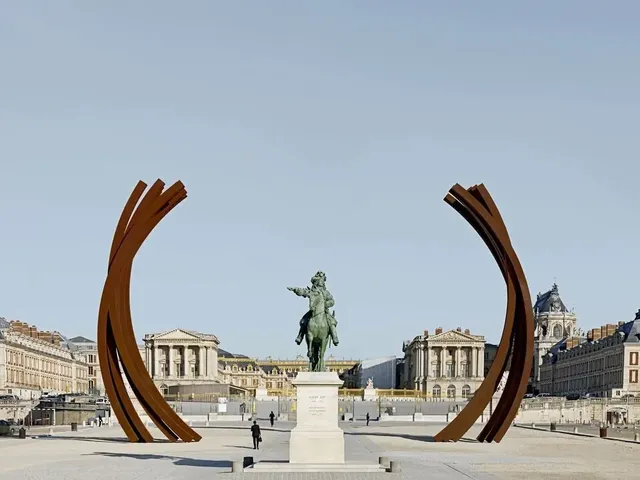
The 1980s marked a shift in art exhibitions, with the idea of liberating art from museums and displaying it in public spaces gaining popularity. Venet’s participation in outdoor exhibitions not only merged weathering steel with diverse settings like parks and city squares but also let him explore larger-scale creations, transitioning from sculpture to monuments and land art. A standout example is his 2019 large weathering steel sculpture near a Belgian highway. Envisioning a ring around the road, he collaborated with engineering firm bureau greisch—renowned for advanced welding—to bring this unique land art piece and technical feat to life.
Art as Life: A Legacy in Furniture and Home
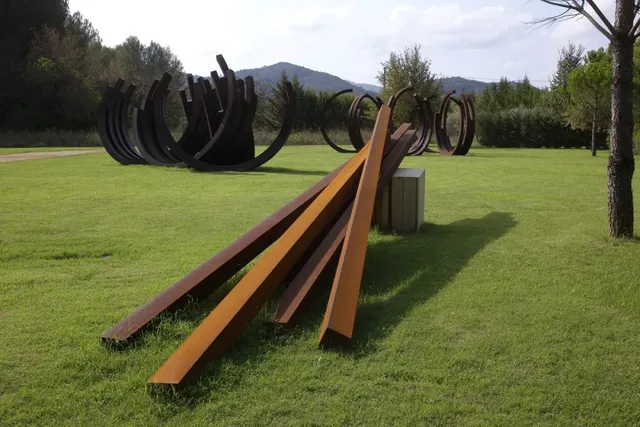
Now 84, art is more than a six-decade career and passion for Venet—it is a symbol and integral part of life. After nearly 50 years in the U.S., he returned to his native France, purchasing a property 45 minutes from Nice Airport and St. Tropez beach, and commissioning architect Didier Guichard to build his private residence. As their home and accompanying sculpture park took shape, Venet and his wife realized most commercially available furniture clashed with their art collection. So Venet turned to furniture design, combining his signature weathering steel with soft fabrics, once again bridging aesthetic divides between two realms.

pinart
Statue Industry Content Writer
More Articles

Mario Ceroli · Versifying with Wood, Seeking the Time of Bygone Days
Italian sculptor Every tree exists with its own significance—from the forest to sculptures, from timber to furniture… Perhaps the most…
PinArt | Sculpture, a Witness to Time
As a witness to human civilization, sculpture boasts a long and profound history. It is not merely an art form…
Confluence and Reflection: 2025 China-U.S. Sculpture Exchange Exhibition
This cultural exchange exhibition brings 28 distinguished sculptors from China, using three-dimensional art as a dialogue between East and West.…
Let's find your exclusive statue solution!
Get a Free Quote Now!